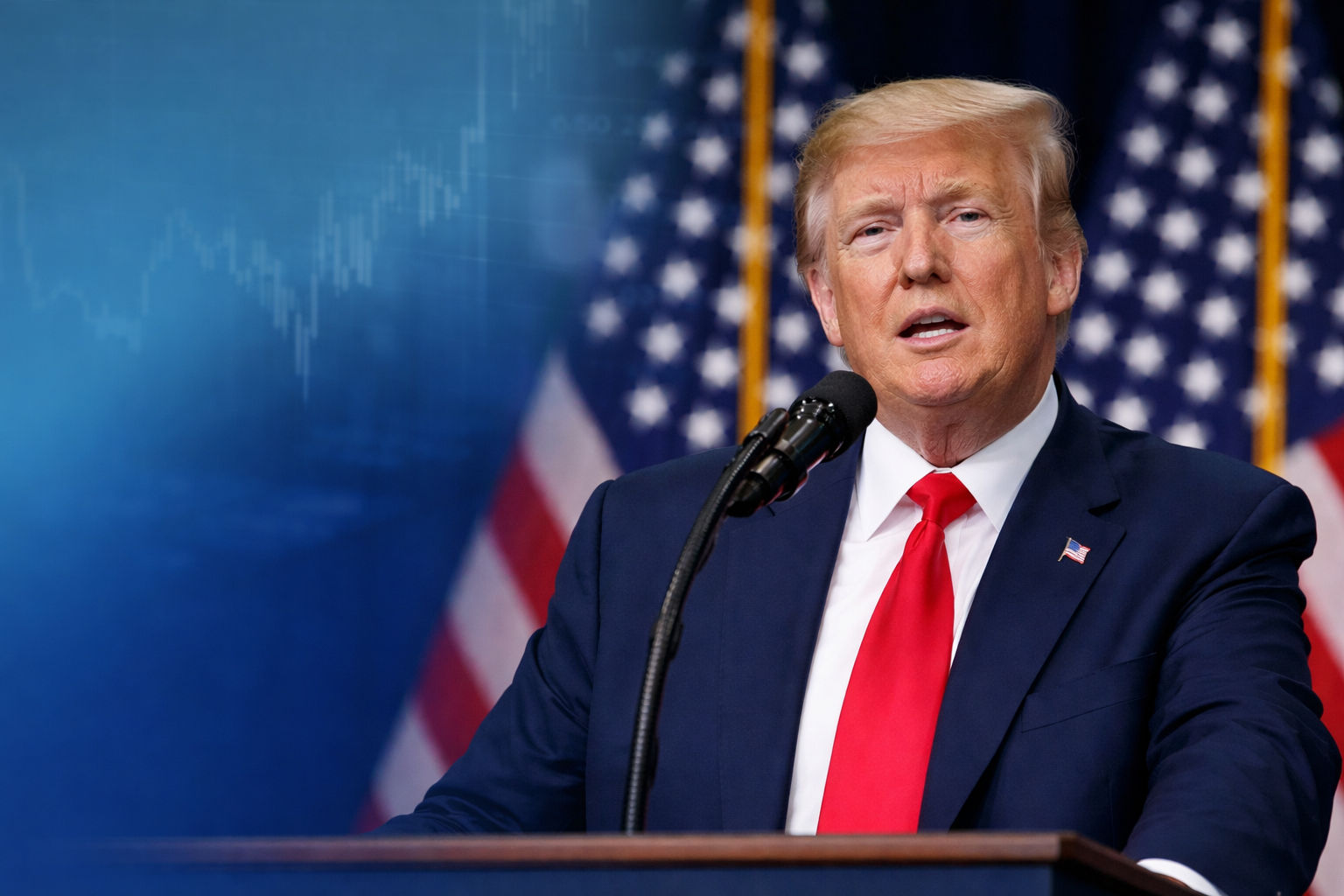

Fed Minutes Highlight Shift Toward Potential Easing
The latest FOMC Meeting Minutes revealed that a growing number of Federal Reserve officials are beginning to consider potential interest rate cuts, signaling a shift in policy discussions as economic conditions evolve.
Several policymakers acknowledged that rate reductions could become appropriate later this year, particularly if inflation continues to ease or if economic growth weakens further.
This marks a notable shift from the previously dominant “higher-for-longer” stance.
Inflation Progress Encourages Policy Flexibility
The minutes showed that officials are increasingly confident that inflation is gradually moving toward the Fed’s target, although progress remains uneven.
- Some policymakers noted that inflation risks are becoming more balanced
- Others emphasized that price pressures are still above desired levels
This mixed view explains why the Fed is not committing to immediate cuts, but is opening the door to future easing
Economic Concerns Begin to Surface
A key theme in the minutes was growing concern about the strength of the economy going forward.
Officials pointed to:
- Signs of slowing economic activity
- Potential risks to labor market stability
- Uncertainty tied to global developments and energy prices
According to the report, some Fed members indicated that if economic conditions deteriorate, rate cuts may be necessary to support growth.
Internal Divide Within the Federal Reserve
The minutes revealed a clear divergence in views among policymakers:
Dovish Members:
- Support eventual rate cuts
- Focus on slowing growth and improving inflation
Hawkish Members:
- Prefer to keep rates elevated
- Concerned about inflation remaining persistent
These internal split highlights the uncertainty surrounding the Fed’s next move
Market Reaction: Dollar, Yields, and Equities Adjust
Financial markets reacted quickly to the tone of the minutes:
- Bond yields edged lower, reflecting expectations of future easing
- The US dollar weakened slightly, as rate cut expectations increased
- Equities found support, as lower rates are generally positive for stocks
The reaction suggests that markets are beginning to price in a more dovish Fed outlook
What This Means for Monetary Policy
No Immediate Action, But a Clear Shift in Direction
While the Fed is not signaling an immediate rate cut, the minutes indicate a change in bias:
- From tightening → to monitoring
- From restrictive → to potentially accommodative
This shift is critical for market expectations going forward
Key Conditions for Rate Cuts
According to the minutes, rate cuts will depend on:
- Continued decline in inflation
- Evidence of economic slowdown
- Stability in financial conditions
The Fed remains data-dependent, not timeline-driven
Outlook: Markets Now Focus on Upcoming Data
Short-Term Expectations
Markets are likely to remain sensitive to:
- Inflation data (CPI, PCE)
- Labor market indicators
- Fed communication
Key Scenarios
Dovish Scenario:
- Inflation falls faster
- Growth weakens
Rate cuts begin sooner
Hawkish Scenario:
- Inflation remains sticky
- Economy stays resilient
Rates remain elevated
What Traders Should Watch
- Changes in Fed language in upcoming speeches
- Market pricing of rate cuts
- Bond yield movements
- Dollar reaction to macro data
Bottom Line
The latest FOMC Meeting Minutes signal a meaningful shift in Federal Reserve thinking, with more officials acknowledging the possibility of rate cuts later this year. While no immediate policy change is expected, the growing divide within the Fed reflects increasing uncertainty about the economic outlook—leaving markets highly sensitive to incoming data and future guidance.